


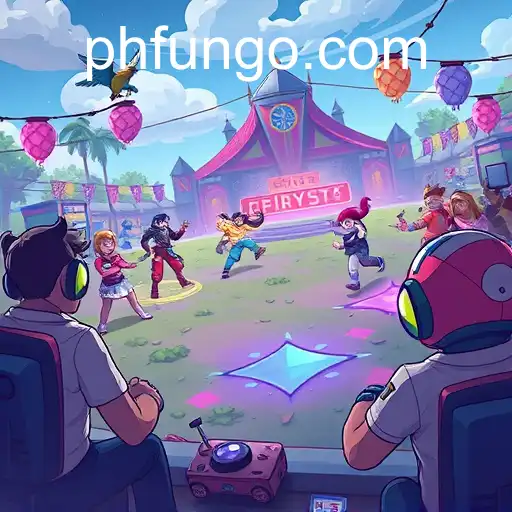
As we find ourselves in the year 2025, the landscape of digital entertainment continues to evolve dynamically, with online gaming communities becoming more influential than ever. A noteworthy development in this arena is the expanding role of platforms such as Phfun, an English game website that has carved out a niche for fostering vibrant virtual communities.
Phfun, established to cater to a broad spectrum of gaming enthusiasts, has witnessed exponential growth in its user base over the past few years. This growth parallels a broader trend in the gaming industry, where online platforms are increasingly acting as social hubs. Players are no longer confined to mere game interactions; they are forming lasting social connections that extend beyond the virtual world.
Today's online gamers are drawn to Phfun not just for its extensive library of games but also for its emphasis on community engagement and innovative features that allow players to collaborate and compete in a shared environment. The platform provides tools that facilitate user-generated content, encouraging gamers to contribute their creations and share experiences, thus driving a collaborative spirit.
In recent months, Phfun has introduced several cutting-edge technologies, including enhanced virtual reality (VR) integrations and advanced social connectivity options, which have further enriched user experiences. These updates emphasize player connectivity, an element that has become crucial for user retention and engagement in 2025.
At a global level, gaming platforms like Phfun are influencing digital culture by promoting inclusivity and diversity. Many players find communities within these platforms where they can express themselves freely and engage with individuals from myriad backgrounds and cultures. This aspect is particularly significant in an increasingly fragmented world, where digital connections provide a sense of belonging and understanding across borders.
Industry analysts foresee that platforms such as Phfun will continue to shape the future of digital interaction, as they synergize the lines between gaming, social media, and online communities. With continuous upgrades and the encroaching potential of AI-driven gaming experiences, the future appears bright for platforms nurturing such expansive digital ecosystems.
In conclusion, Phfun stands as a prime example of how gaming platforms can transcend their role as mere game providers to become pivotal community centers where individuals can connect, create, and collaborate. As we navigate through 2025, the impact of such platforms will likely expand, offering new dynamics in the world of entertainment and beyond.